ServicesDrywall Hanging
Drywall Hanging in Brooklyn
We hang new drywall on open studs, joists and furring for renovations, new partitions and walls too damaged to patch. You get a written quote listing board types, square footage and what is included before a single sheet comes through your door.
What drywall hanging covers and when it fits
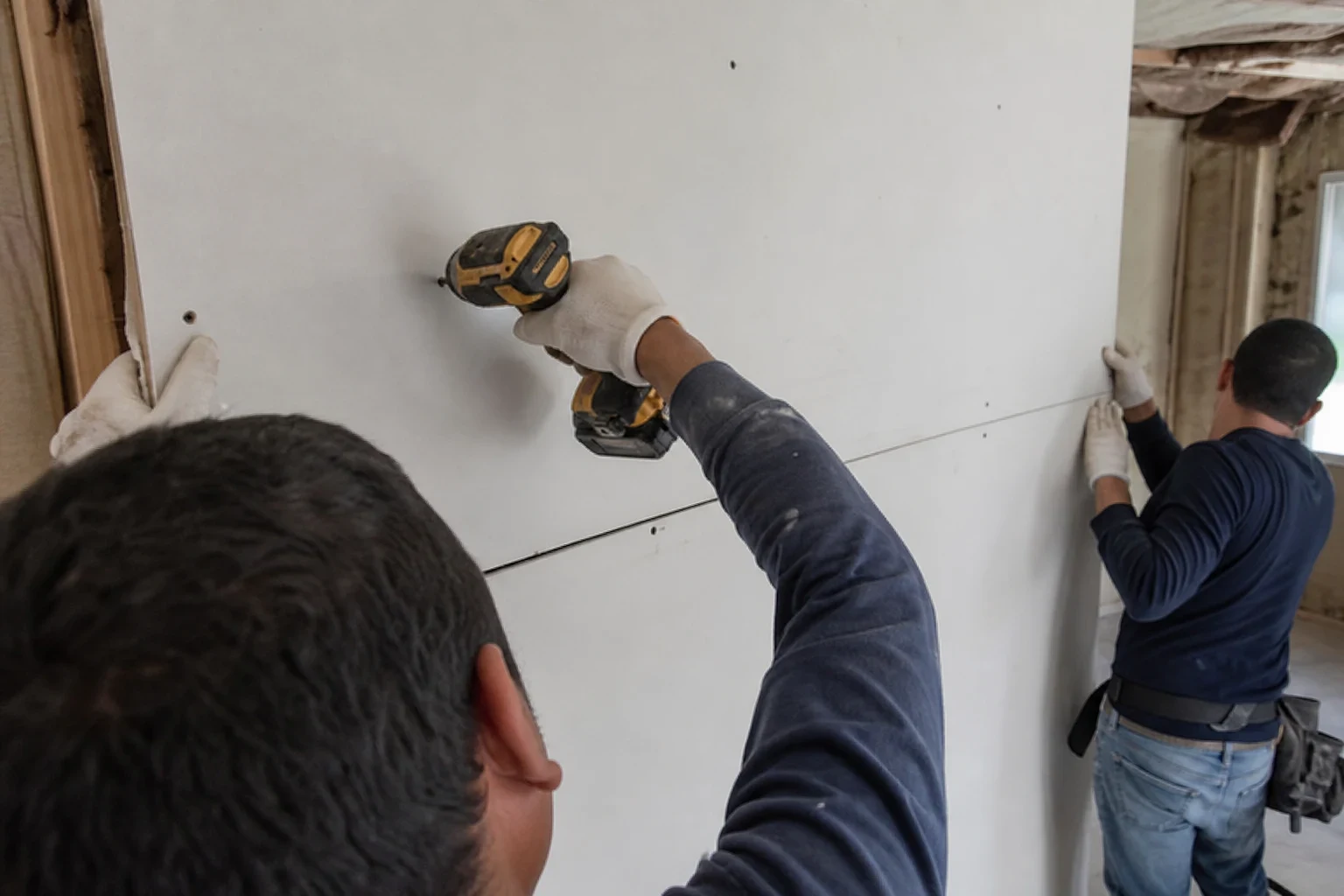
Hanging is the stage where new gypsum board goes up on framing. We measure each wall and ceiling, choose the board that suits the location, cut it around outlets, windows and vents, and fasten it so the joints land on studs or joists. Good hanging makes finishing easier. Tight seams and flush screws mean thinner coats of compound and fewer problems showing through paint later.
It is the right call when the damage covers whole sheets, the framing is already open, or you are building something new. If you have one hole or a cracked corner, drywall patching or drywall repair is the smaller and cheaper job, and we will tell you so. For anything we do hang, your written estimate separates hanging from finishing, so you can see exactly what each part covers and nothing gets added once the job starts.
What the work includes
- The right board for each spot
- Standard 1/2 inch board for most walls. 5/8 inch board on ceilings, because it resists sagging between joists, especially at 24 inch spacing. Moisture-resistant board near tubs and showers, and Type X fire-rated board where a fire separation is required.
- Layout that cuts down on seams
- We hang ceilings first so the wall sheets support their edges. Walls go up horizontally with butt joints staggered, using the longest sheets that fit into the room. Fewer joints means less compound and a flatter wall.
- Fastening done to spec
- Drywall screws go in at a tighter spacing on ceilings than on walls, set just below the surface without tearing the paper face. A screw that breaks the paper loses its hold, which is how nail pops start.
- Cutouts and corner bead
- Electrical boxes, recessed lights, vents and window returns are measured and cut to fit snugly. Outside corners get corner bead so they stay straight and resist dings.
- A clean work area
- Floors are covered and doorways sealed with plastic where needed. Offcuts and packaging leave with us at the end of each day.
Signs your walls need new drywall, not a patch
Board that soaked through
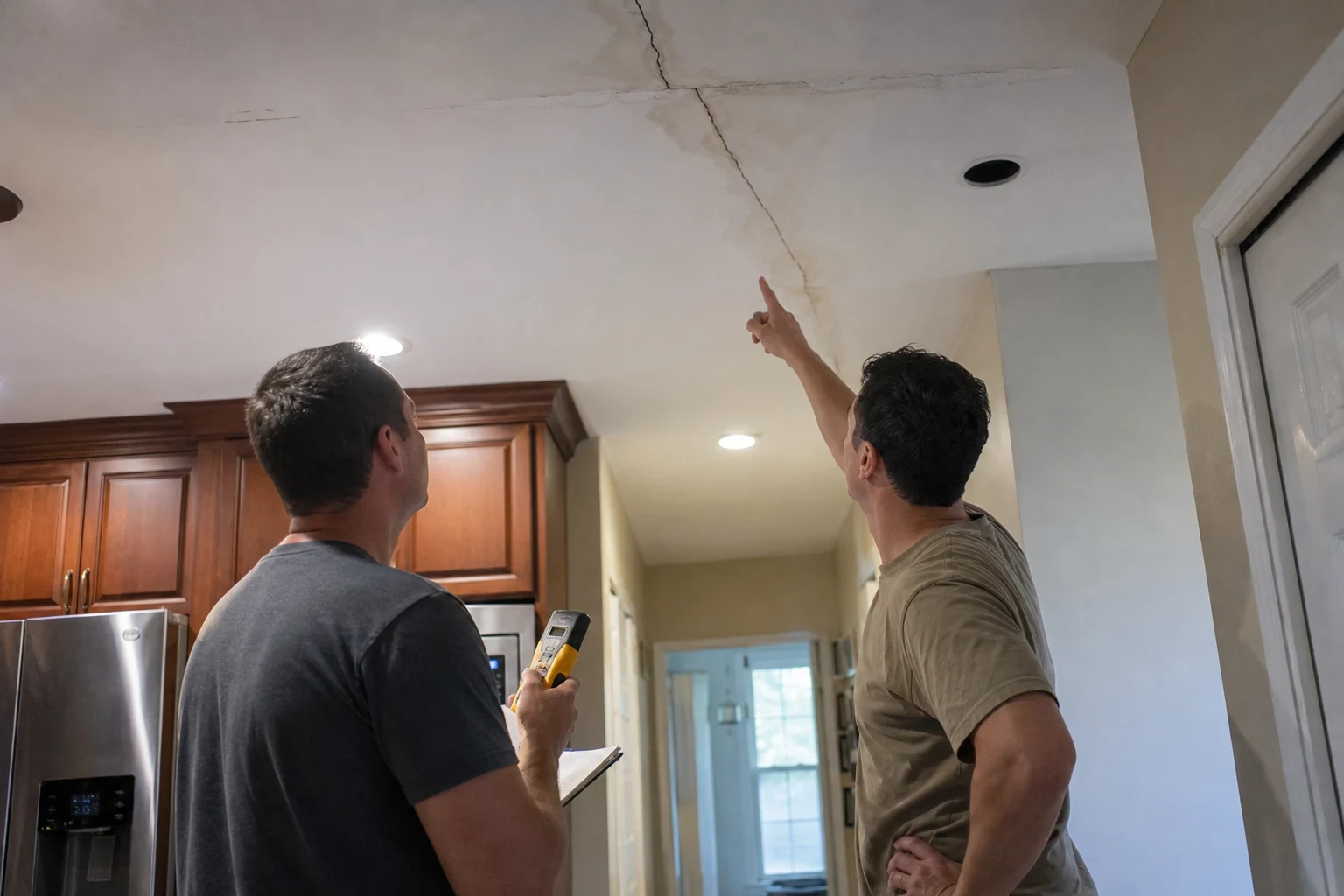
After a leak, gypsum that has gone soft, crumbles at the edges or shows staining on the back side has lost its strength. Once the leak is fixed and the framing is dry, replacing the affected sheets is more reliable than patching over them.
Plaster letting go of the lath
In older Brooklyn rowhouses, plaster often cracks and bulges once the keys behind it break. When large sections move under your hand, new board over sound framing gives you a flat, stable wall.
A ceiling sagging between joists
A visible dip or wave between framing members usually means the board was too thin for the joist spacing or has absorbed moisture. Patching will not pull it flat again.
Open framing after a renovation
New electrical, insulation or a moved doorway leaves studs exposed. That framing needs board before anything else can happen.
Patches on top of patches
When a wall has more repair than original surface, the bumps and flashing never fully disappear. New board starts you over clean.
How a hanging job runs
- 1
Walkthrough and measurements
We measure every surface, check the framing for crooked studs and moisture, and note where outlets, switches and fixtures sit. This is also when we ask what the room will be used for, since that decides the board type.
- 2
Your written quote
It lists square footage, board types, any demolition, and whether taping and finishing are included. If something is not on it, it is not part of the job.
- 3
Prep and framing check
We protect floors and furniture, seal off the room, and shim or plane any stud that would throw the wall out of plane. Fixing that now avoids a visible bow later.
- 4
Hanging the board
Ceilings first, then walls, with joints staggered and screws set to depth. Cutouts and corner bead go in as each wall is finished.
- 5
Walkthrough and cleanup
We walk the room with you, point out any spot that needs attention before finishing, and clear out debris. If finishing is part of the job, taping and the first coat of compound come next.
What sets the cost of hanging drywall
The price of hanging comes mainly from how much area we cover and the conditions on site. We go over each factor during the walkthrough and write it into the quote, so you understand the number before you agree to it.
- Area and ceiling height
- Extra board adds both material and labor. Ceilings taller than standard need staging and additional people to raise sheets safely.
- Type of board
- Moisture-resistant, fire-rated and 5/8 inch sheets cost more than standard 1/2 inch board and weigh more to handle.
- Tear-out and framing
- Taking out old plaster, lath or wet board adds time and disposal. Studs that are out of plumb and need shims add labor as well.
- Getting into the room
- Tight walk-up stairwells can cap how long a sheet can be, which adds joints to tape. Hauling material up several flights takes time too.
- How much finishing
- Hanging by itself costs less than hanging with taping, compound coats and sanding. Each one appears as its own written line.
Questions about hanging drywall
Something not covered here? (718) 571-8361
Will you also finish the board you hang?
Yes. Taping, compound and sanding fall under drywall finishing and show as their own line in the written scope. Some customers hire us for both, and others just need the board up.
Can new drywall go over old plaster?
In some cases. Solid, well-attached plaster can take thinner board screwed through it into the framing. Loose or bulging plaster must be removed first, since new board can only be as flat as the surface behind it.
How long will hanging take?
Once framing is ready, a typical bedroom can often be hung in roughly a day. Finishing runs longer because compound has to dry between coats. Your written scope gives a realistic schedule for the rooms involved.
Can the price go up after you begin?
Only when the scope changes. If an opened wall shows wet framing or something hidden during the walkthrough, we pause, show you and write up the extra work before continuing.
Does hanging make a mess?
Cutting leaves offcuts and a little gypsum dust, far less than sanding does. Floors get covered, doorways get sealed when needed and scrap goes out daily.
See your hanging scope on paper first
Let us know how the room will be used and what is on the walls today. We will book a walkthrough and send a written scope with every line listed before work starts.