ServicesWall Repair
Wall Repair in Brooklyn
We repair cracked plaster, dented and punctured drywall, split corner bead and walls scarred by old anchors or water stains. Before any tools come out, you get a written scope that names the repair method and what drives the price, so the finished wall matches what you agreed to.
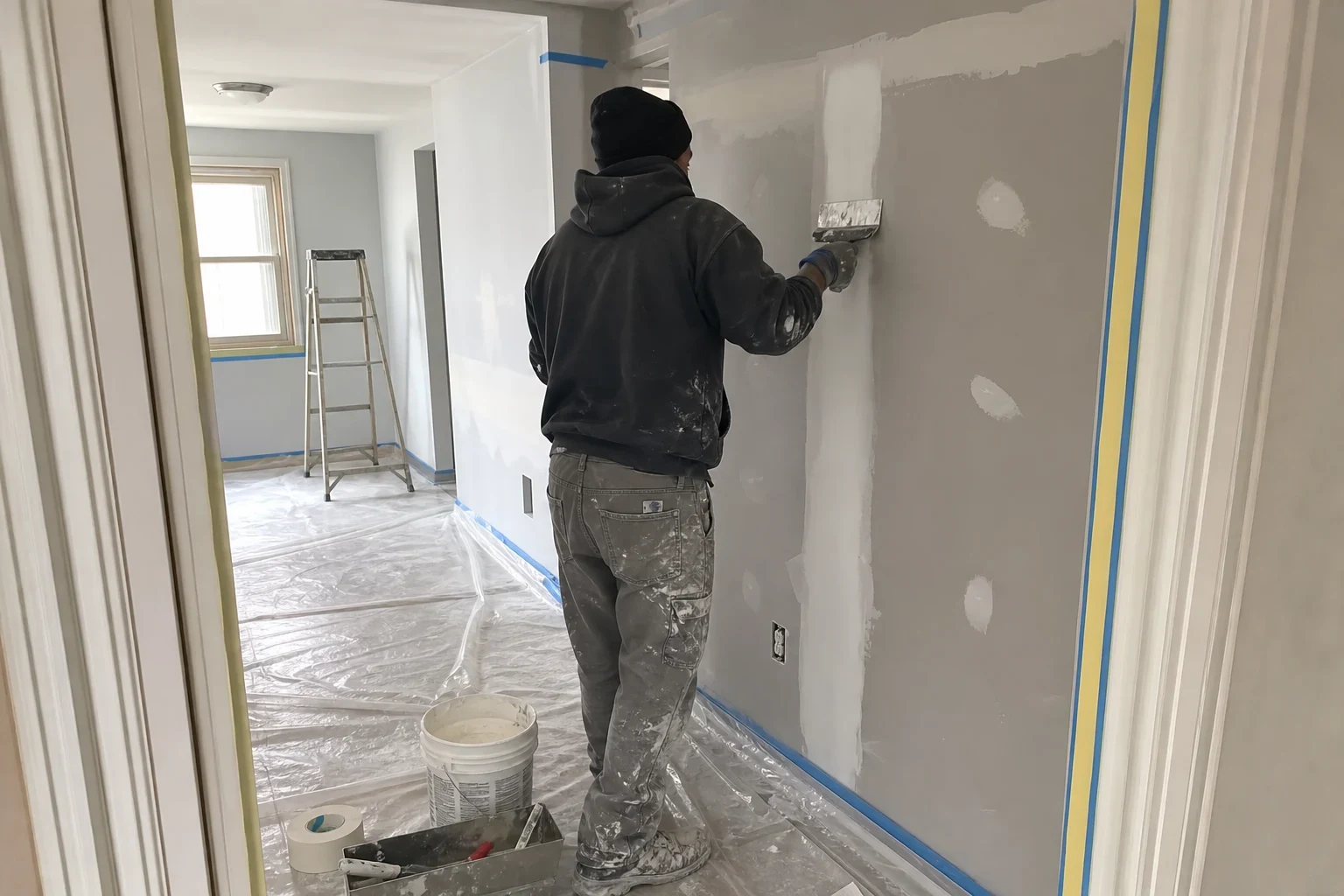
What Wall Repair Covers and When It Fits
Wall repair is the right call when the damage spreads across a wall rather than sitting in one small hole. That can mean a crack that runs from a door corner to the ceiling, a hallway scuffed and dented by furniture, a wall left pocked after shelving and TV mounts came down, or plaster that has started to bulge away from its lath.
Many walls here are not plain drywall. Older row houses and brownstones often have three-coat plaster over wood or metal lath, and newer partitions may be drywall screwed to steel studs. Each material fails differently and needs a different fix, so we identify what your wall is made of before we price anything.
If you only have a single hole or a few dings, our drywall patching page covers that smaller job. For whole sheets that need replacing, see drywall hanging.
What the Repair Covers
- Taped cracks instead of filler alone
- A crack that keeps returning was usually just covered with spackle. We open it up, embed paper or fiberglass mesh tape in setting compound and feather it out wide, so the joint can move without a line reappearing.
- Securing loose plaster
- Plaster that has pulled away from the lath gets fastened back with plaster washers and screws before any fill. Crumbling sections are removed and rebuilt with drywall or base coat, then skimmed level with the wall around them.
- New corner bead
- On dented or cracked outside corners, we cut out the damaged bead, put in new metal or paper-faced bead and finish it with three coats for a straight, sharp edge.
- Holes left by anchors and mounts
- Old anchors, toggles and mounting screws come out, the voids get filled and any torn face paper is repaired so the spot does not blister under paint.
- Sanding and matching texture
- After the compound cures, we sand it to an even plane and match the finish around it, smooth skim or light texture, so the repair does not look like a separate wall.
- Covering and cleanup
- We cover floors and furniture and sand with dust in mind. The work area is clean when we leave each day.
Signs Your Walls Need Repair
Cracks that reopen
A crack you have filled and painted twice is moving. It needs to be taped and bridged, not filled a third time.
Soft or hollow-sounding plaster
Press gently on the wall. If it gives or sounds drummy, the plaster keys behind it have broken and the section can let go.
Bubbling or peeling paper face
On drywall, a blistered face usually means moisture or a past patch that was painted before the compound dried. The torn paper has to be sealed before it is refinished.
Water stains after a leak is fixed
Once the source is repaired and the wall is dry, a stain or soft spot still needs attention. We check whether the gypsum core is sound or must be cut out.
Nail and screw pops in a row
Pops lined up along a stud mean the fasteners have backed out. We reset them with drywall screws and refinish over the heads.
How a Wall Repair Job Runs
- 1
You describe the damage by phone
Tell us which walls, what you see and roughly how large the area is. We ask about the wall material and any recent leaks so we arrive with the right supplies.
- 2
Inspection and written scope
We look at the wall, tap and probe suspect areas, and write down each repair, the method, and the factors that set the price. Nothing is added later without your say-so.
- 3
Repair and drying
We stabilize, tape and fill, then let each coat of compound set. Setting compound lets us move faster on deep fills, but a smooth finish still takes two to three coats, so most wall repairs span more than one visit.
- 4
Sanding, matching and handoff
We sand, match texture, prime the repair if that is in the scope, and walk the wall with you under raking light so you can see the surface before we pack up.
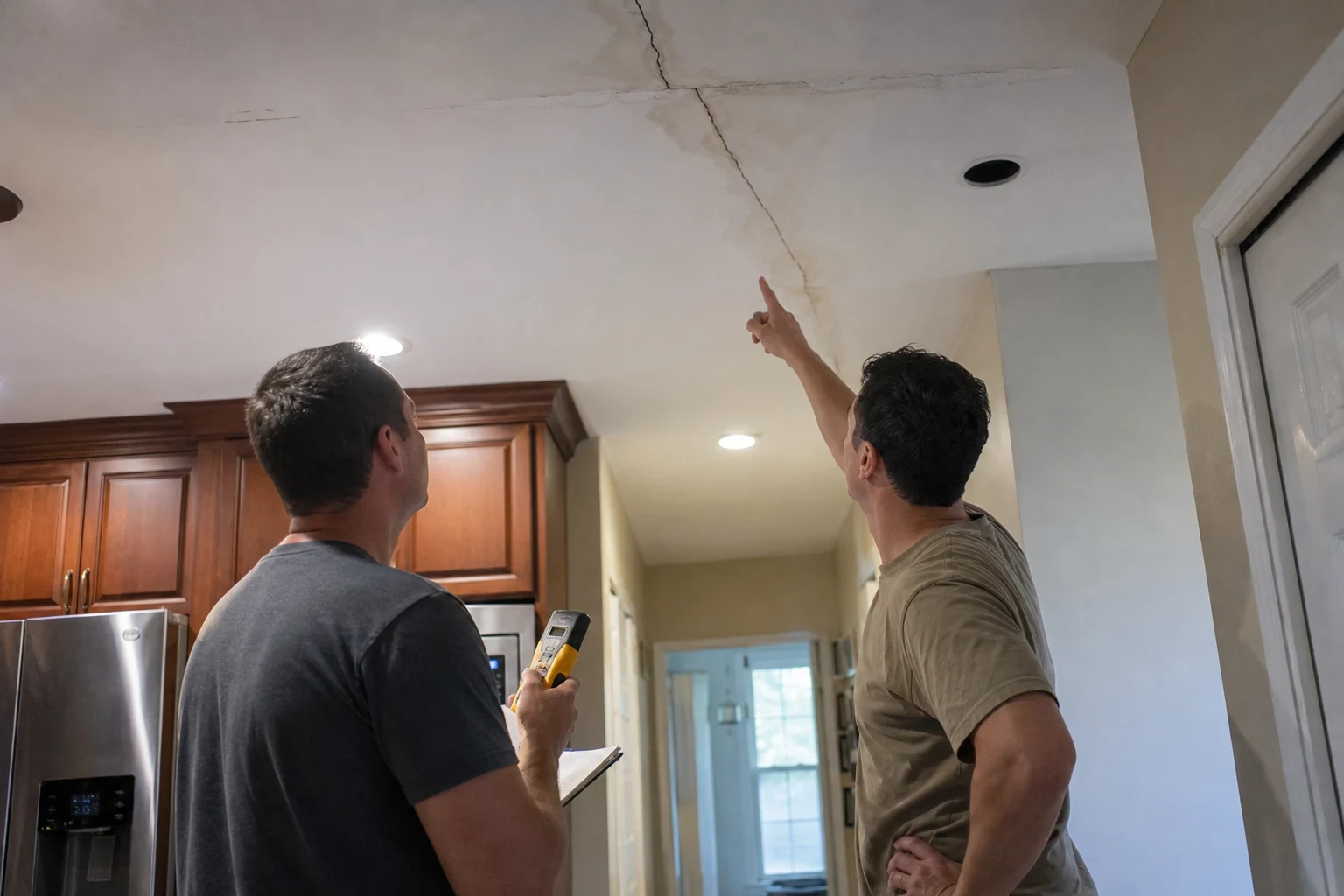
What Sets the Cost of Wall Repair
Two cracks of the same size can lead to very different prices, since what lies behind the surface counts for more than what shows. Your written quote names each of these factors so the number makes sense to you.
- What the wall is made of
- Plaster on lath needs more labor than drywall, since it must be anchored and rebuilt in layers. Walls on steel studs call for different fasteners than wood-framed ones.
- How many areas and how large
- A single long crack is not the same job as a dozen dents spread through three rooms. Scheduling the work together usually keeps setup and drying time efficient.
- What is behind the surface
- Broken keys, wet gypsum or a failed old patch can only be fully assessed after the area is opened. If we find anything outside the written scope, we pause and show you before doing more.
- Texture and finish
- A smooth level-five style skim or a matched texture needs more coats and sanding than a standard finish.
- Height and access
- Stairwells, tall parlor-floor walls and furniture-filled rooms add setup and protection time.
Wall Repair Questions
Something not covered here? (718) 571-8361
Can you fix plaster walls, or do you replace them with drywall?
Most plaster can be saved. If the plaster is sound but cracked, we reattach and skim it. If a section has crumbled or fallen away from the lath, we cut it back to solid material and fill with drywall or base coat, then blend the surface so the two read as one wall.
Why does the crack in my wall keep coming back?
Usually because it was filled with spackle alone, which has no strength across a joint that moves with temperature and humidity. Taping the crack in setting compound and feathering it wide spreads that movement out. Very active cracks near door and window corners may also need the loose plaster around them anchored first.
Will the repaired spot show after painting?
Not when the texture and sheen are matched and the patch is primed. Bare compound absorbs paint differently than the wall around it, so skipping primer is the most common reason a repair flashes. If you want us to blend the color, our paint touch-ups service covers that.
How long until the wall is ready?
Small repairs can be finished in one or two visits. Larger cracks and plaster rebuilds need drying time between coats, so plan on several days. Your written scope lists the expected number of visits.
Do I need to move furniture before you arrive?
It helps to clear a few feet from the wall and take down artwork. We cover floors and anything that stays in place, and we can shift lighter pieces ourselves.
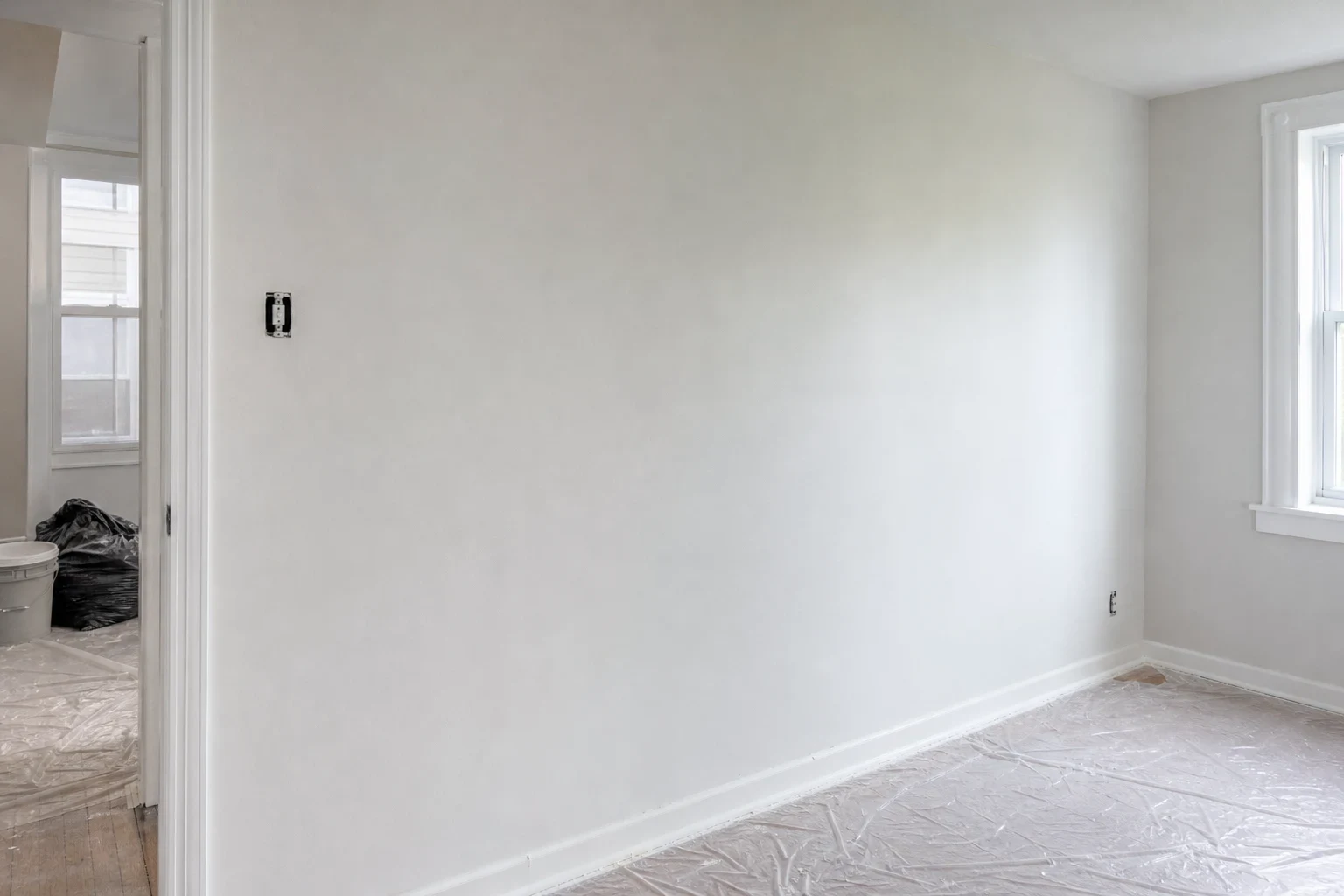
Get the Scope in Writing Before Work Starts
Call and describe the cracks, dents or loose plaster you are seeing. We will set up an inspection and give you a written quote that spells out each repair and what affects the cost.